
A patient takes her weight every morning and transmits it as instructed. A few weeks later, she stops.
When asked why, the issue isn’t necessarily the device. It may be something much simpler:
“I send my readings every day, but I don’t know if anyone actually sees them.”
That question highlights one of the most important challenges in remote patient monitoring. We have made significant progress in device accuracy, connectivity and data transmission, but long-term engagement depends on more than technology alone.
One meta-analysis of 17 app-based chronic disease interventions reported a 43% pooled dropout rate, rising to 49% in observational studies. The exact rate varies by program, but the message is consistent: enrollment does not equal engagement.
For patients, the missing piece is often the feedback loop. A measurement can be transmitted successfully and appear immediately in a clinical dashboard, while the patient has no indication that anything happened. Over time, it becomes reasonable to ask: Why am I doing this every day?
Effective RPM needs to connect measurement, clinical review and action. Patients should understand that their readings are being received, why the data matters, and how it may influence their care.
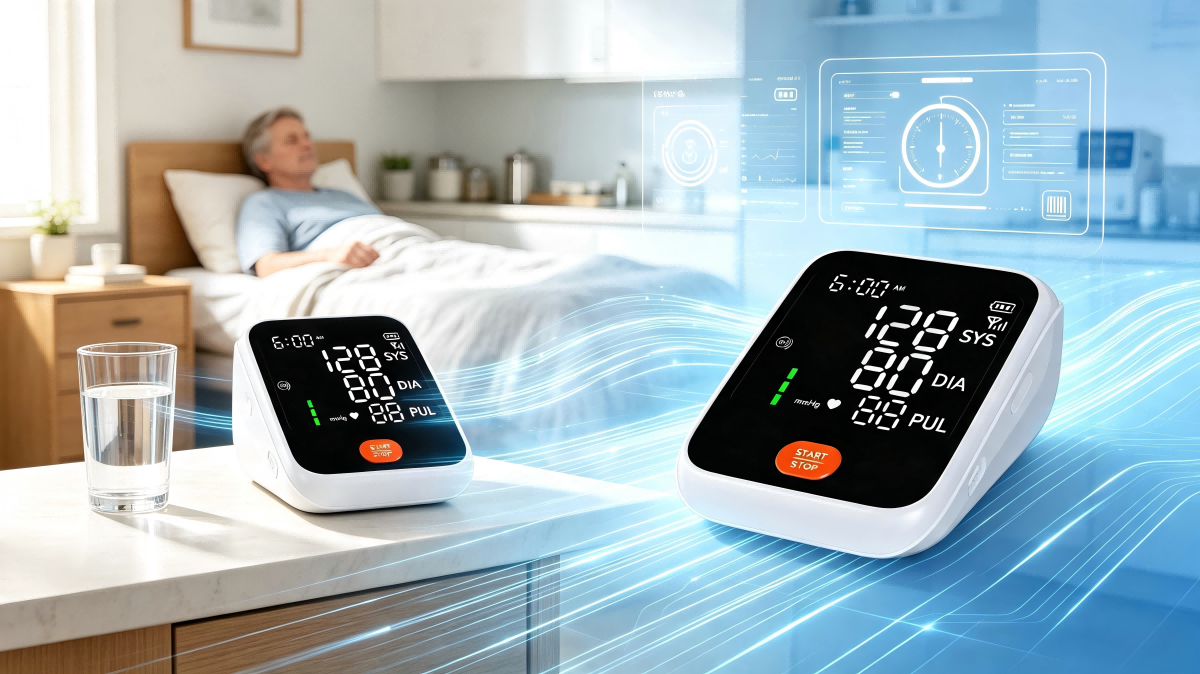
This also has implications for device design. From a technology provider’s perspective, the goal should be to reduce the effort required to participate: automatic transmission, minimal setup, reliable connectivity, clear confirmation of successful readings, and workflows that fit naturally into clinical care.
Accuracy and reliability remain fundamental. But the best RPM technology is not simply the device that performs well on Day 1. It is the technology that patients can continue using consistently on Day 90 and beyond.
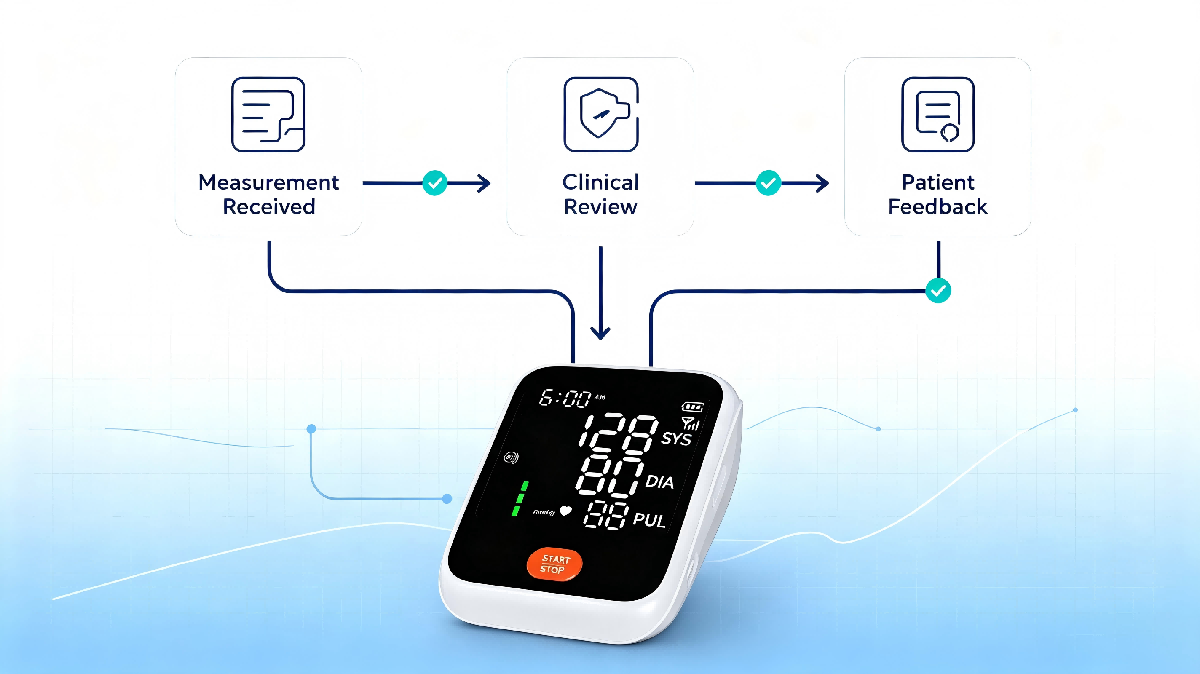
RPM is not just a device. It is a connection between the patient, the data and the care team.
For those running RPM programs: how does your patient know someone on the other side is actually paying attention?