
Healthcare networks, remote patient monitoring (RPM) administrators, and clinical procurement directors frequently evaluate consumer-grade tracking sensors against dedicated telehealth infrastructure. When drafting operational equipment budgets, buyers often look at standard, lower-cost consumer electronics and ask a fundamental question: “Since Bluetooth metrics can synchronize with a smartphone app, why should an enterprise purchase premium cellular variations?”
However, analyzing clinical data continuity reveals a massive operational gap between consumer gadgets and enterprise-grade tools. Specifically, traditional wireless syncing protocols rely heavily on continuous patient technical troubleshooting, which frequently causes data gaps. Conversely, deploying a specialized 4G smart scale removes these local connectivity barriers completely, ensuring consistent data streams directly from a patient’s home. This guide breaks down the core structural differences between these platforms and explains why cellular connectivity protects clinical programs.
1. The Core Structural Difference: Local App Dependency vs. Total Independence
The core architectural difference between these two monitoring methodologies focuses on how data moves from the hardware sensor to the clinical database.
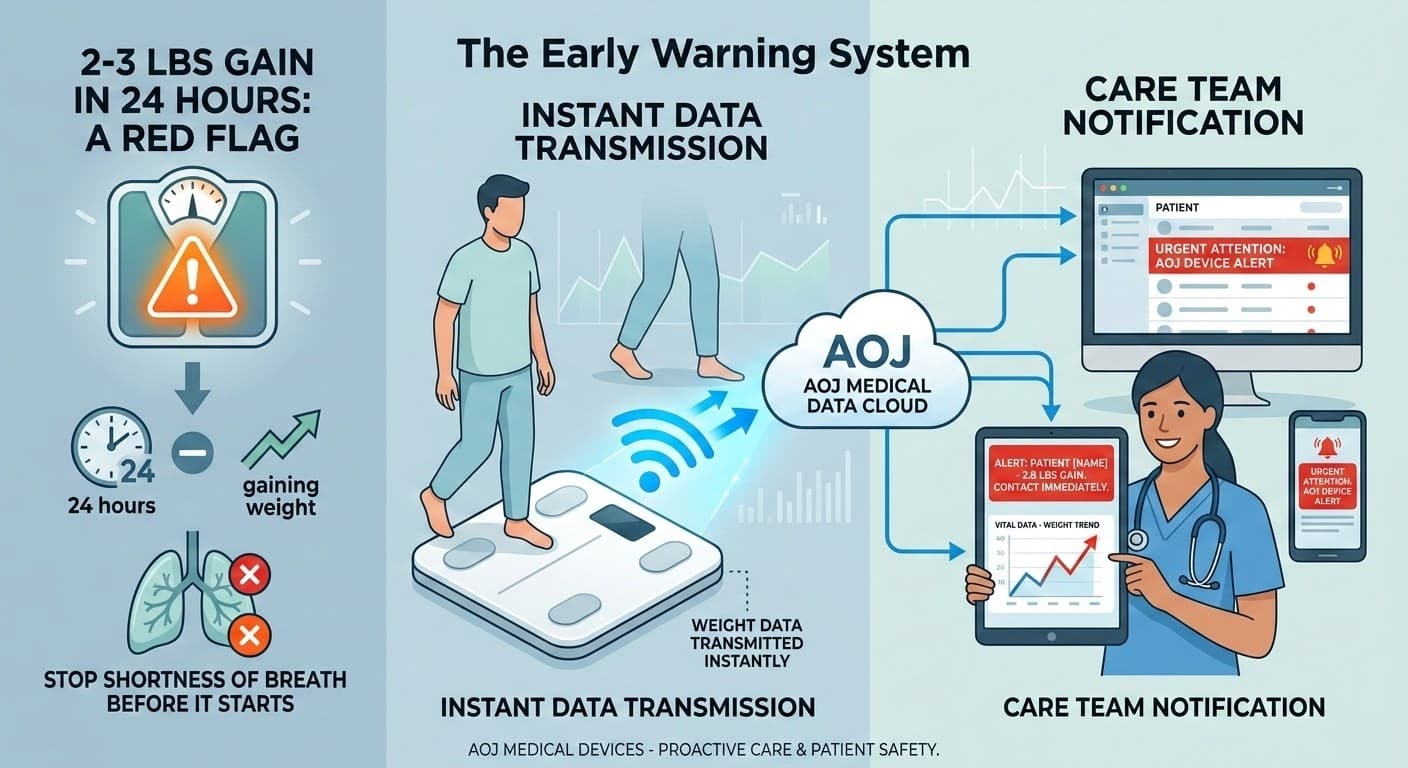
 Bluetooth Path: [Step on Scale] ──> [Open Phone App] ──> [Pair Local Bluetooth] ──> ❌ High Drop-off Risk
 4G Cellular:   [Step on Scale] ──> [Built-in Modem Activates] ──> [Direct Cloud Upload] ──> ♻️ 100% Data Stream
A standard Bluetooth weight tracker does not possess the native computing power to connect directly to the internet. Instead, the hardware requires the patient to actively open a smartphone application, activate local wireless discovery, and manually pair the two devices during every single measurement session.
Conversely, a professional 4G smart scale operates as a completely independent, standalone medical system. Because the device contains an integrated cellular modem module, it connects directly to cellular towers right out of the box. The user does not need to configure a local Wi-Fi router, enter network passwords, or touch a smartphone interface to transmit data.
2. Why Healthcare Providers Mandate Cellular Data Networks
Clinical monitoring platforms require reliable, daily data streams to track high-risk chronic conditions like congestive heart failure and hypertension. Therefore, matching your equipment deployment to the realistic technical capabilities of your patient group determines the success of your program.
| Clinical Performance Attribute | Standard Consumer Bluetooth Scales | Premium 4G Smart Scale Systems |
| Patient Operational Steps | Must actively open, pair, and sync a phone app | Simply step onto the tempered glass platform |
| Data Transmission Method | Manual local sync through a consumer smartphone | Fully automatic cloud upload via cellular networks |
| Onboarding Tech Barriers | High; requires app downloads and OS updates | Zero; works instantly without any software setup |
| Ideal Demographic Fit | Young, tech-literate fitness enthusiasts | Universal coverage; highly optimized for elderly care |
When medical institutions distribute Bluetooth sensors to elderly patients or low-income rural communities, data transmission rates plummet quickly. Many senior citizens either do not own compatible modern smartphones or find navigating complex software app updates highly frustrating. This software friction represents the leading cause of missing clinical logs in home monitoring programs.
By standardizing your medical fleet around a 4G smart scale, you eliminate these technical roadblocks. Patients can track their weight easily without altering their daily habits or troubleshooting broken Bluetooth links. This ease of use ensures clean, continuous data streams for your care management teams.
3. Clinical Operating Instructions: Seamless Home Integration
To maximize the field performance of your medical hardware, care managers should train patients to follow these simple operational steps:
Step-by-Step Patient Measurement Sequence:
1. System Prep: Install 4 AA batteries and place the scale on a hard floor.
2. Positioning: Step on barefoot, look straight, and stand still.
3. Auto-Upload: View weight display as 4G network transmits data.
Setting Up Your Scale
First, operators must install 4 AA batteries into the bottom compartment before activating the device for the first time. Then, place the scale on a firm, flat, hard floor surface while avoiding soft carpets or uneven tile ground. This rigid placement ensures the internal load cell sensors calibrate correctly, preventing skewed weight calculations.
Before Measurement
Patients must remove heavy shoes, thick coats, and excess heavy accessories before stepping onto the weighing surface. Next, stand completely still for several seconds to stabilize your body posture across the integrated weight sensors. Ensure your feet are dry, flat, and centered on the tempered glass platform while keeping your body upright. Look straight ahead during this brief sequence, and avoid leaning or shifting your weight sideways.
Taking the Measurement
Step gently onto the scale, stand completely still, and do not shift your feet during the active weighing sequence. The internal processor will automatically calculate and display your final weight reading on the screen within 3 to 5 seconds. Immediately following this calculation, the measured weight data uploads automatically via the built-in 4G cellular network. The patient can then confirm successful remote data transmission by viewing the status icons on the integrated screen before stepping down.
Conclusion: Enterprise Sourcing Strategy for Institutional Buyers
Achieving long-term success in the competitive telehealth market requires purchasing rugged, reliable medical hardware that guarantees data continuity.
Stop risking your critical clinical metrics on cheap, fragile consumer Bluetooth products that drop wireless connections and frustrate elderly patients. Upgrading your custom product inventory to our advanced 4G smart scale platform ensures absolute data safety and effortless compliance. We engineer every single scale component to simplify home deployment and deliver clean, consistent physiological data streams across your entire patient population. Contact our medical procurement division today to explore volume hardware pricing and secure your next wholesale order.