
Clinical Insights: A Comparative Guide to Blood Pressure Measurement Methodologies
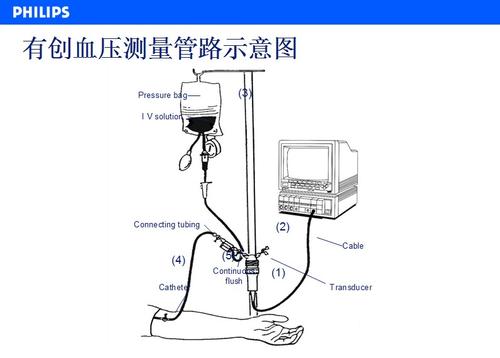
1. Invasive Blood Pressure (IBP) Monitoring: The High-Risk Gold Standard
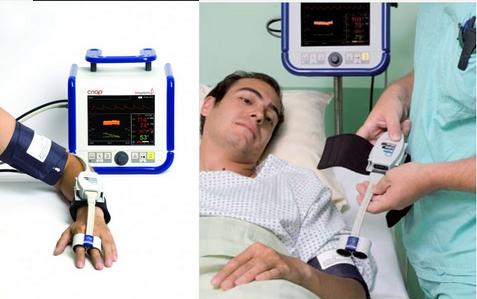
2. Non-Invasive Methods & The Rise of Portable Electronic Sphygmomanometers
Non-invasive blood pressure measurement systems feature two primary categories. These include non-automatic equipment and electronic measurement equipment.
Furthermore, these systems rely on distinct scientific principles. Non-automatic devices utilize the traditional Korotkoff sound method. Conversely, electronic measurement devices employ the modern oscillometric method.
The Foundations of the Korotkoff Method
In 1905, the Russian physician Nikolai Korotkov discovered distinct vascular sounds. Today, this groundbreaking discovery forms the basis of the global auscultation method.
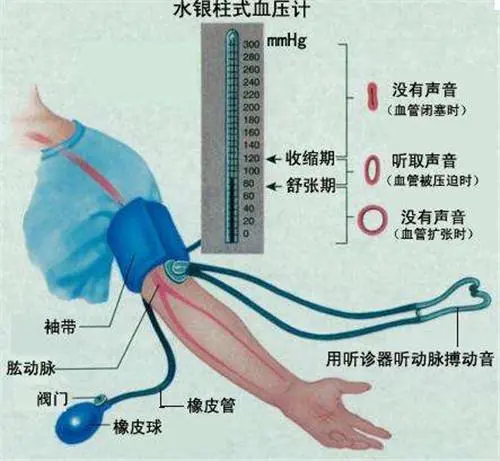
The Korotkoff method measures blood pressure by listening directly to arterial blood flow sounds. To begin the process, the user inflates the upper armband. This gradual pressurization temporarily cuts off the arterial blood circulation.
Afterward, the cuff slowly expels the trapped air. When the air reaches a specific pressure level, blood begins flowing again. This movement produces the first audible Korotkoff sound. Consequently, medical experts define the pressure at this exact moment as the highest blood pressure (systolic).
As the cuff discharges further air, the blood vessels return to their normal state. At this point, the Korotkoff sound disappears entirely. Therefore, practitioners record this final pressure reading as hypotension (diastolic).
Clinical Relevance and Comparative Accuracy
Numerous clinical experiments prove the high accuracy of this classic approach. Specifically, invasive pressure measurements correlate strongly with mercury sphygmomanometer auscultation data.
However, doctors generally note a slight variation between these two methods. Generally, invasive blood pressure readings register 5 mmHg to 20 mmHg higher than non-invasive readings. Despite this minor variance, the Korotkoff method remains the most widely used approach globally.
The Modern Switch to Electronic Sphygmomanometers
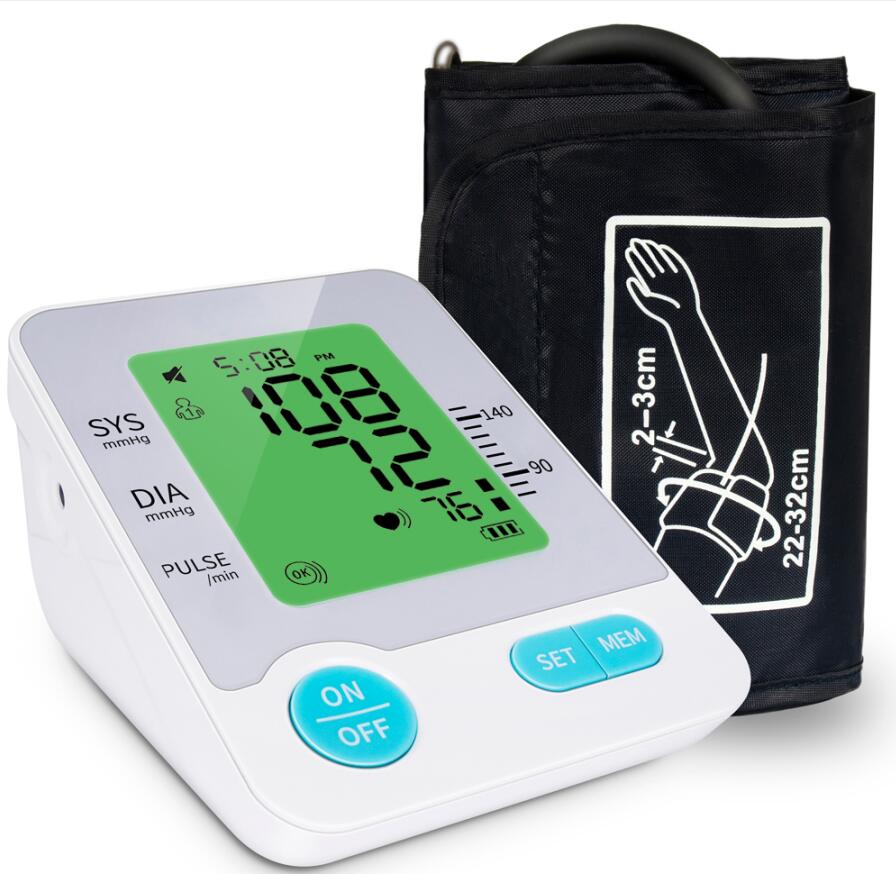
Modern electronic sphygmomanometers offer significant structural advantages over older mercury devices. Instead of relying on manual listening, electronic units record the arterial blood flow state automatically.
Then, internal processors convert these physical signals into a clear digital format. Because electronic sphygmomanometers do not require a stethoscope, they are far easier to operate.
Additionally, these lightweight digital devices are highly convenient to carry. Therefore, the electronic sphygmomanometer is much more suitable for ordinary household use.
3. Traditional Mercury Sphygmomanometers: Clinical Precision vs. Operational Limits
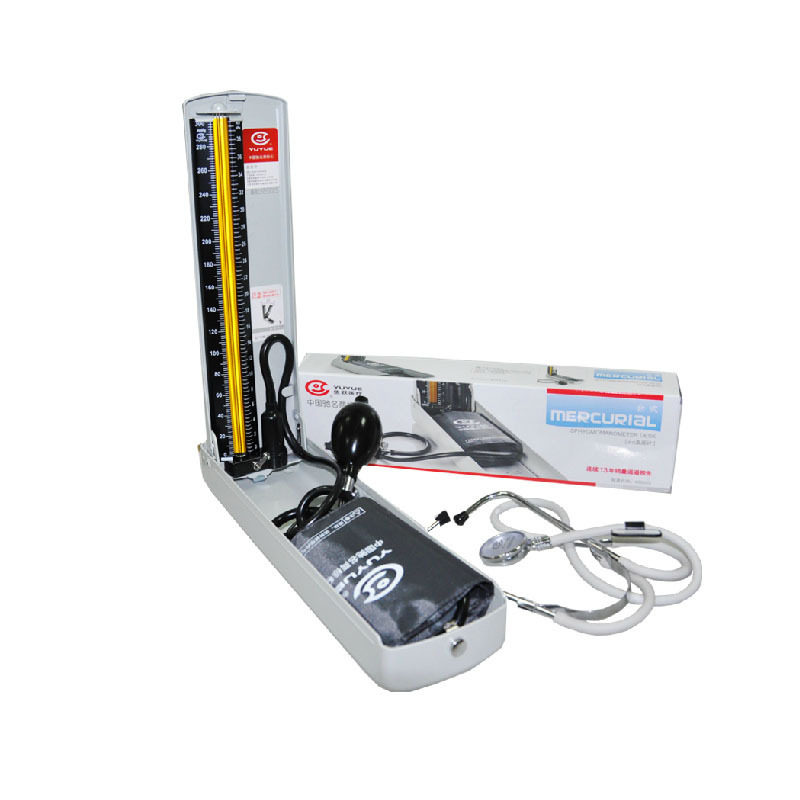
As a traditional sphygmomanometer, the mercury sphygmomanometer has relatively more accurate measurement results. It measures blood pressure with high accuracy and credibility, and has the advantages of good stability and long service life, but it has shortcomings. It is also obvious: inconvenient to carry, mercury leakage is likely to cause environmental pollution, low resolution, high requirements for users, etc., so it is not common in ordinary households. Mercury sphygmomanometers are more suitable for professional operation in hospitals.
Mainstream sphygmomanometer measurement difference
1. Korotkoff Sound vs. Oscillometric Method: The Underlying Technology
Although the working principles of mercury sphygmomanometers and electronic sphygmomanometers are roughly the same, there is still a big difference in principle. Mercury sphygmomanometers mainly rely on the Korotkoff method to measure. The offset method is to manually recognize the sound from the arm and determine the systolic and diastolic blood pressure, while the electronic sphygmomanometer is mainly measured by the oscillometric method, the so-called display wave law relies on the instrument to identify small pulses transmitted from the arm to the strap and calculate them to obtain the blood pressure value.
2. Safety Risks vs. Environmental Sensitivities: Balancing the Pros and Cons
2. Both of these two mainstream sphygmomanometers have their advantages and disadvantages during use. Mercury sphygmomanometer, as the name suggests, has mercury as its main structure, and mercury, also known as mercury, is a highly toxic chemical element. Once it leaks, it will cause great harm to the human body. So when using a mercury sphygmomanometer to measure Attention should be paid to whether there is any leakage. The sensitivity of the pulsation sensor of the electronic blood pressure monitor may also cause measurement errors. Limitations of the position of the strap, human movement, friction, surrounding noise, or circuit failure will cause deviations in the measurement value, but this will not be too much. Many influences on the measurement value. As long as you choose a product of good quality and comply with the pressure measurement specification, the electronic blood pressure monitor can accurately measure the pressure for healthy people.

Schematic Diagram of Mercury Sphygmomanometer & Schematic Diagram of Electronic Sphygmomanometer
Choosing the Right Sphygmomanometer for Diverse User Groups
Hypertension rates rise globally every year. Consequently, high blood pressure no longer affects only elderly populations. Today, this condition increasingly impacts middle-aged and younger individuals.
Generally, healthy users get accurate results from both mercury and electronic monitors. Therefore, the risk of measurement errors remains low for this group. However, special patient populations must choose their devices carefully based on specific medical conditions.
Selecting Devices Based on Personal Health Needs
Indeed, buyers must understand their health status before purchasing any medical device. Afterward, you can choose the ideal blood pressure meter for your specific situation.
If you measure blood pressure at home, prepare adequately before starting. Furthermore, always follow the correct measurement steps precisely. Under normal conditions, these proper habits guarantee highly accurate data. Regular blood pressure tracking demonstrates great responsibility for your personal long-term health.