
The Mercury Thermometer Ban: Why Safety Now Supercedes Cheap Temperature Measurement
The National Medical Products Administration recently issued a critical directive regarding traditional medical devices. Effective January 1, 2026, the country will completely ban the production of mercury-containing thermometers.
While these traditional glass thermometers are incredibly cheap and accurate, this regulatory shift is essential for public health. Many consumers now wonder why authorities banned such a reliable tool, and whether electronic alternatives can match its accuracy.
The Hidden Danger: Why High Accuracy Costs Too Much
To understand the ban, we must first look at how a mercury thermometer operates. The liquid mercury inside the glass tube expands and contracts rapidly based on temperature changes. Because mercury possesses exceptional thermal conductivity, it registers even the slightest physiological shift. Consequently, people have trusted this technology for generations.
However, glass thermometers are incredibly fragile, and broken devices present a severe environmental hazard.
If a single mercury thermometer breaks in a 15-square-meter room with a 3-meter ceiling, the evaporating mercury can create an air concentration of 22.2 mg/m³. This figure drastically exceeds the national safety limit of 0.01 mg/m³.
Severe Health Risks of Mercury Exposure
When liquid mercury escapes a broken shell, it turns into an invisible, odorless gas. Therefore, occupants can easily inhale the toxic vapor without realizing the danger. Excessive mercury intake triggers severe acute and chronic health issues, including:
Neurological Damage: Inhaling vapor can cause persistent headaches, dizziness, tremors, and even comas or convulsions.
Developmental Risks: Mercury serves as a potent neurotoxin that severely damages brain development and the nervous system in children.
Because of these catastrophic health risks, international medical communities acted years ago. For instance, the United States and Europe began phasing out mercury clinical thermometers over a decade ago, successfully replacing them with digital electronic alternatives.
Will Electronic Thermometers Be Inaccurate?
Many users worry that switching to digital sensors will compromise temperature accuracy. Fortunately, modern medical-grade electronic thermometers utilize advanced thermistors and infrared sensors to deliver highly precise readings.
To ensure maximum accuracy with a digital thermometer, users simply need to follow the correct operational protocols. For example, maintaining proper skin contact during an axillary read or cleaning the sensor tip regularly prevents false data. Thus, electronic devices offer a completely safe, reliable, and rapid alternative without any of the toxic risks.
Embracing a Safer Healthcare Future
Ultimately, the 2026 ban marks a massive step forward for domestic healthcare safety. While mercury thermometers offered cheap accuracy, the cost of accidental poisoning is simply too high.
Transitioning to professional electronic thermometers protects your family, safeguards your children, and eliminates toxic waste from our living spaces. Switch to a certified digital thermometer today to experience safe, stress-free health tracking.

Is the electronic thermometer inaccurate?
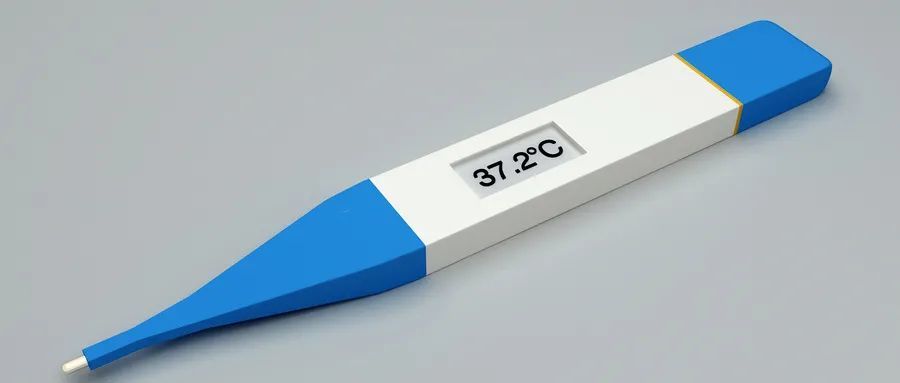
According to the “Regulations for Verification of Medical Electronic Thermometers” formally implemented on March 31, 2020, the maximum allowable error of medical electronic thermometers: ±(0.1~0.2)℃, which is almost the same as the maximum allowable error of mercury thermometers (-0.15~0.1)℃ , It will not affect our judgment of the disease based on the measured body temperature.
But why do many friends have the impression that electronic thermometers are inaccurate?
The high probability is because the right is not bought, and the right is useless.
How to measure more accurately?
Achieving reliable results with electronic thermometers requires a combination of high-quality hardware and proper operational techniques. To ensure clinical-grade precision, users must focus on three core pillars: choosing certified brands, selecting the right device type, and following correct usage protocols.
1. Source Verified Hardware from Trusted Brands
First and foremost, you must ensure that your inventory comes from licensed, regular manufacturers that comply with global medical standards. Historically, unexpected market surges—such as those during global health crises—allow counterfeit and inferior devices to enter the supply chain. Therefore, it is vital to vet your procurement channels and source exclusively from reputable medical device suppliers to guarantee baseline accuracy.
2. Understand the Three Main Types of Thermometers
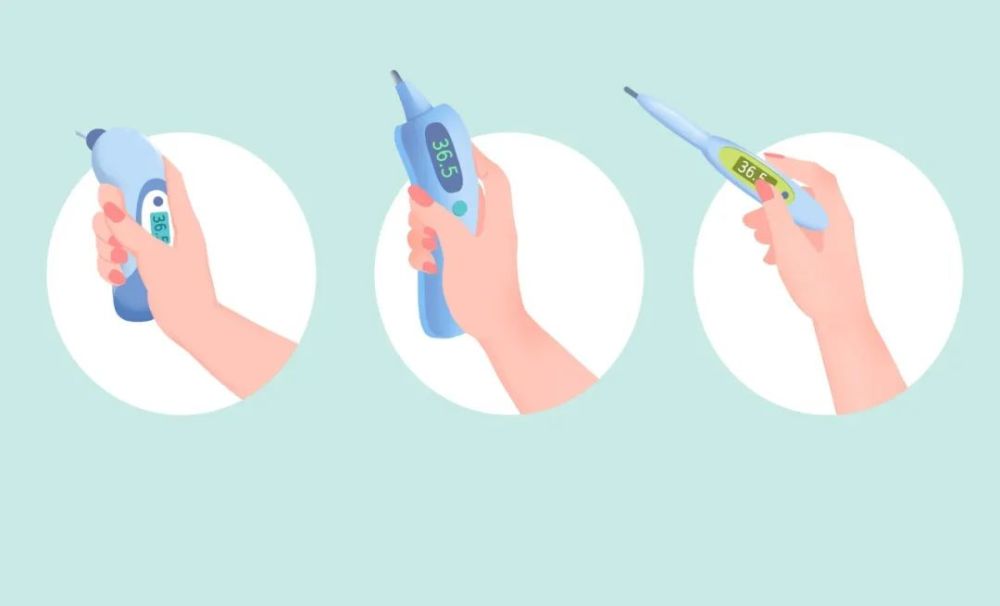
Modern electronic temperature devices fall into three primary categories, each possessing unique operational requirements:
Infrared Ear Thermometers (Tympanic): These non-contact devices capture core temperature within seconds. However, they demand strict environmental controls and proper positioning. Furthermore, even a minor buildup of earwax can block the sensor, which leads to inaccurate readings.
Infrared Forehead Thermometers (Temporal): These sensors provide rapid, non-contact measurements, making them ideal for high-traffic screening. Consequently, the operational environment must remain stable, as extreme ambient heat or cold directly skews the infrared sensor data.
Contact Electronic Thermometers (Digital): Whether used orally, axillary (underarm), or rectally, these devices require a longer measurement window and cause slight user discomfort. Nevertheless, they remain highly popular because they are incredibly easy to operate and consistently deliver the most reliable, accurate results.
3. Eliminate Environmental and Behavioral Interference
Even the most advanced digital thermometer will fail if external factors disrupt the sensor. For instance, contact electronic thermometers are highly sensitive to nearby electromagnetic fields. Therefore, users must avoid using mobile phones or standing near high-frequency electronics while taking a reading, as electromagnetic interference can compromise the internal calibration.
Precision Requires the Right Partnership
Ultimately, accurate temperature measurement relies heavily on matching the device to the specific application environment. By eliminating behavioral errors and sourcing certified hardware, you ensure seamless, dependable performance every time.
Use correctly
Really, read the product manual carefully before using it.
Don’t bother to read the manual to trouble yourself, because the operation of the electronic thermometer is not so complicated, and anyone can use it, but if you want to measure accurately, read the precautions of the manual carefully, learn it once, save trouble, and use it.
What kind of thermometer do you have at home?