
Hypertension often earns the dangerous title of the “silent killer.” Studies show that high blood pressure frequently presents no obvious symptoms during the early stages. However, leaving it completely uncontrolled over the long term drastically increases cardiovascular and cerebrovascular disease risks.
Traditionally, patients logged their blood pressure readings manually using pen and paper. They would show these paper logs to doctors during scheduled check-ups. Unfortunately, if a patient’s health deteriorated between visits, this lagging record caused doctors to miss optimal windows for medication adjustment.
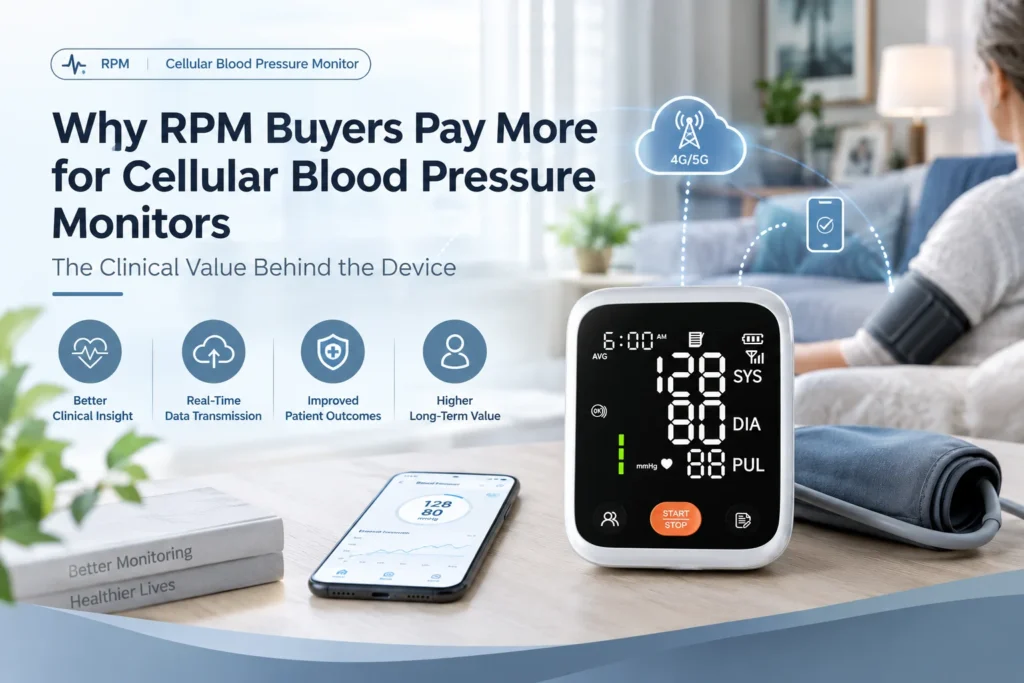
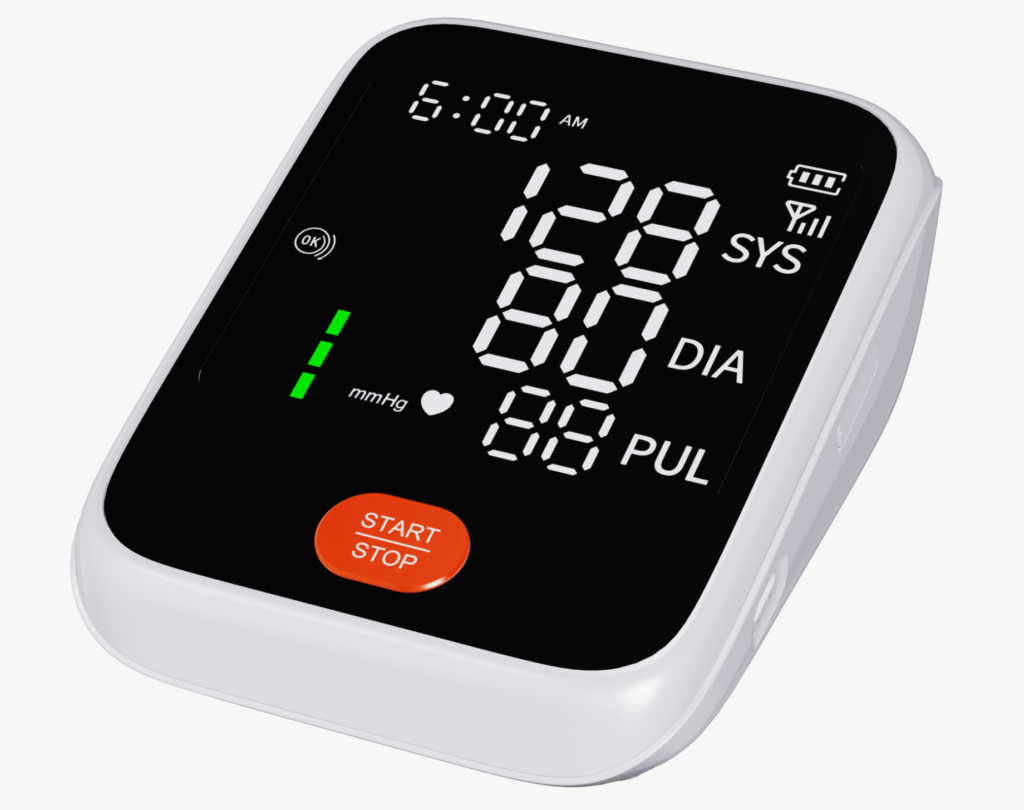
AOJ Medical technology changes this situation completely. Through advanced cellular remote patient monitoring devices, patients can automate their home healthcare tracking. When you take a measurement, the device automatically transmits real-time data to your care team via a built-in cellular network. This enables precise tracking of trends and accelerates medical interventions when dangerous spikes occur.
Understanding Blood Pressure Readings
Adequate, controlled blood pressure remains fundamental to maintaining a consistent blood supply to vital organs. Medical teams classify readings into four distinct zones:
Healthy Range: Systolic pressure is less than 120 mmHg and diastolic pressure is less than 80 mmHg.
Prehypertension: Systolic pressure ranges dynamically between 120 and 129 mmHg.
Hypertension: Consistent readings reaching or exceeding 130/80 mmHg warrant immediate medical attention.
Hypertensive Crisis: Readings reaching or exceeding 180/120 mmHg indicate a severe emergency.
How Digital Blood Pressure Monitors Work
Digital oscillometric devices temporarily block arterial blood flow in a single upper arm using an inflatable cuff. As the cuff deflates slowly, an internal pressure sensor detects tiny vibrations in the blood vessel walls.
The AOJ Medical system uses advanced filtering algorithms to convert these vibrations into precise vital signs. If you tie the cuff too loosely or misalign it with the brachial artery, the sensor captures distorted vibration signals. Consequently, this distortion leads to missed diagnoses or incorrect medication adjustments.
Proper Cuff Placement and Measurement Posture
Incorrect cuff placement or poor physical posture can directly distort your data. For example, leaving your arm unsupported can raise readings by 5 to 10 mmHg. Therefore, users must strictly adhere to these gold standards:
Critical Warning: Never wrap the upper arm cuff around your wrist or thigh. This diagnostic device is specifically calibrated for use only on the brachial artery of the upper arm.
AOJ Medical Remote Blood Pressure Monitor: FAQ
Why does my home blood pressure differ from clinic readings?
This variation happens very frequently. Many patients feel anxious facing doctors, causing temporary spikes known as “white-coat hypertension.” Conversely, others show normal clinic readings but high home levels, which represent masked hypertension. This discrepancy is why remote patient tracking is so crucial. It reveals true trends in a relaxed environment.
Which arm should I use for routine monitoring?
Test both arms during your initial setup. If one arm consistently yields a higher reading, use that specific arm moving forward. For most people, the left arm serves as the standard choice.
What factors can negatively affect accuracy?
Blood pressure is highly sensitive. Several physical and environmental factors cause abnormal readings:
Placing the compression cuff directly over thick clothing.
Talking, laughing, or moving during active measurement cycles.
Crossing legs or sitting without stable back support.
A full bladder or an anxious emotional state.
How do AOJ Medical devices differ from standard commercial monitors?
Standard monitors require you to log data manually or sync via complex smartphone applications. In contrast, our medical-grade hardware features a built-in independent cellular chip. It requires no Wi-Fi pairing or SIM card installation.
As a premium portable vital sign monitor supplier, we ensure your reading synchronizes securely with your doctor within seconds of pressing the button. This eliminates technological obstacles for elderly patients.