
Hypertension is a prevalent ailment among the modern urban population. This condition occurs when blood pushes forcefully against your arterial walls.
Doctors use a Sphygmomanometer to measure this force in millimeters of mercury (mmHg). The reading consists of two vital numbers. First, the systolic pressure measures force during a heartbeat. Second, the diastolic pressure measures the force between heartbeats.
Understanding the Stages
Stage 1 Hypertension starts when systolic levels reach 130–139 mmHg. Alternatively, Stage 2 Hypertension begins at 140 mmHg or higher. Consequently, older adults must pay close attention to systolic readings. For instance, Isolated Systolic Hypertension is common in seniors over 60.
Exploring the Different Types of Hypertension
1. Primary (Essential) Hypertension
For 90% of patients, the exact cause remains unknown. Usually, doctors diagnose this after several consistent visits. Most patients show no symptoms. However, some experience fatigue, headaches, or dizziness.
2. Secondary Hypertension
This type stems from specific underlying health issues. Often, abnormalities in the kidney arteries trigger this elevation. Other causes include thyroid problems, hormonal imbalances, or excessive salt intake.
3. Malignant Hypertension
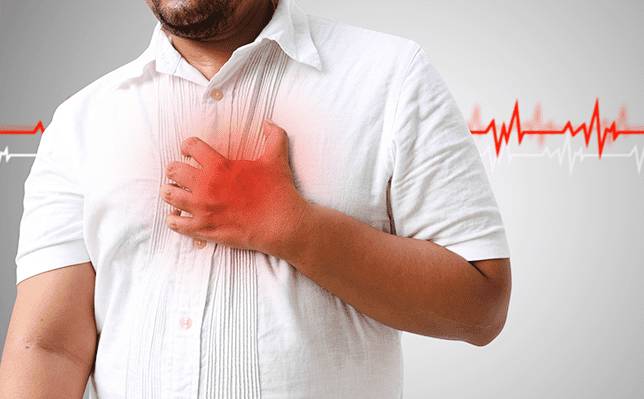
This is a severe medical emergency. Blood pressure rises rapidly and requires immediate hospital care. Therefore, patients must watch for chest pain or blurry vision.
4. Resistant Hypertension
Doctors observe this type in specific high-risk groups. For example, it often affects elderly or obese patients. People with diabetes also face a higher risk.
Effective Ways to Control High Blood Pressure
Your healthcare provider will suggest essential lifestyle tweaks. Follow these proven steps to regulate your levels effectively.
Manage Your Weight
Weight directly influences sudden blood pressure increases. Being overweight puts immense stress on your breathing. Therefore, losing weight is crucial for long-term health. Start with daily walks and yoga. Later, advance to swimming or cycling for faster results.
Commit to Daily Exercise
Exercise keeps stress and anxiety at bay. When you work out regularly, you lower your pressure significantly. Aim for 150 to 300 minutes every week. Consequently, you will prevent the development of chronic hypertension.
Adopt the DASH Diet
Follow the DASH diet to reduce pressure by 11 mmHg. Eat meals rich in fruits, vegetables, and protein. Furthermore, incorporate potassium-rich foods like bananas and spinach. These foods help reduce the negative impact of sodium.
Reduce Sodium and Caffeine
Sodium plays a massive role in elevating blood pressure. Therefore, avoid processed or packaged food items. Additionally, limit your caffeine intake to two cups daily.
Quit Smoking and Limit Alcohol
Quitting smoking protects your heart instantly. Similarly, you must monitor your alcohol consumption. Excessive drinking consistently raises your blood pressure levels.
Monitor Your Health at Home
Regular monitoring is the final step to safety. Therefore, we recommend the AOJ-33A Arm Blood Pressure Monitor. This FDA-certified device uses advanced measuring techniques. Consequently, it provides the most accurate readings for your daily track.
Take charge of your health today! Use professional tools and stay motivated with a positive community.
Disclaimer
This information is for educational purposes only. Please consult your physician for professional medical treatment.
Source: PharmEasy